Locations / North Richland Hills TX: Exhibit Planning and Coordination for DFW Venues

North Richland Hills TX: Exhibit Planning and Coordination for DFW Venues

Strategic resources for coordinating exhibits across distinct DFW venue clusters from a North Richland Hills base

North Richland Hills roleNorth Richland Hills, TX
Nearest venue cueIrving Convention Center at Las Colinas
Local pressureNorth Richland Hills sits between Fort Worth and
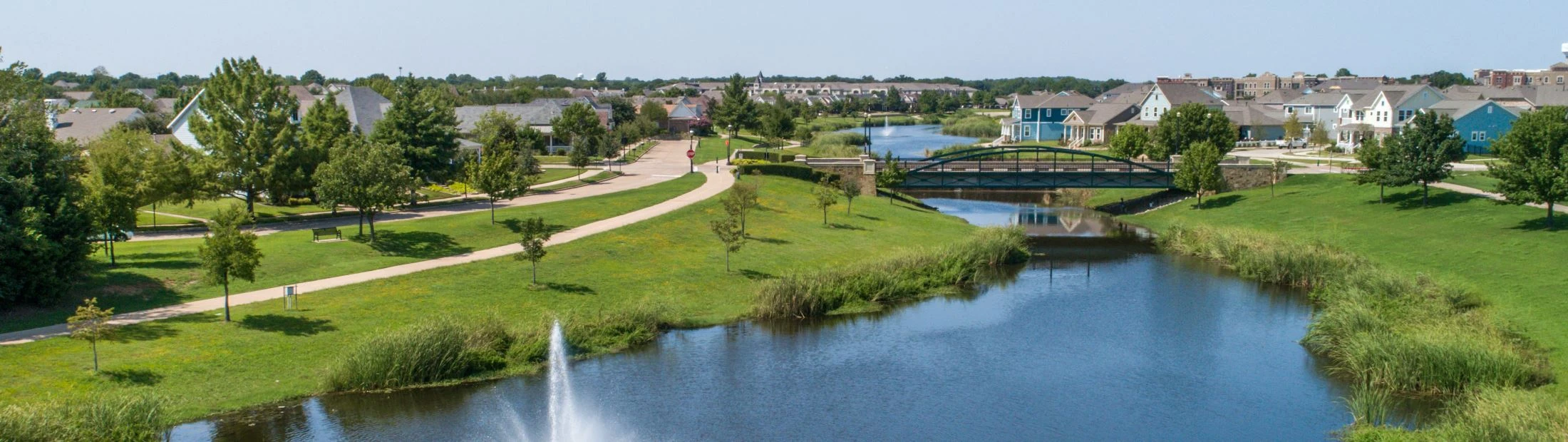
North Richland Hills Trade Show Exhibits visual for Exhibit House of DallasLocation

North Richland Hills in the Broader DFW Events Framework

North Richland Hills functions as one of the secondary municipalities that extend the reach of the Dallas-Fort Worth convention and exhibition market. The area supports demand for trade shows, corporate meetings, product activations, and Install and Dismantle operations by providing a suburban node that connects to primary venue corridors through established transportation routes.

Its inclusion alongside recommended locations such as Bedford, Hurst, Euless, and Colleyville reflects the distributed nature of DFW event activity. Rather than concentrating solely in downtown Dallas or the Fort Worth cultural district, successful programs frequently span multiple districts, each presenting unique operational parameters that must be addressed during planning.

This distributed model allows exhibitors to select venues based on audience demographics, industry focus, and facility capabilities. North Richland Hills planners benefit from the ability to coordinate across these varied environments, creating campaigns that maximize exposure while maintaining consistency in brand presentation and execution standards.

Official market notes confirm that such suburban locations realistically sustain search intent for exhibit services by linking to convention-center cities, hospitality nodes, and airport-adjacent sites throughout the metroplex.

  • Connection to thirty-five covered municipalities supporting regional demand
  • Positioning within suburban corporate and secondary event nodes
  • Support for both single-venue and multi-district exhibit programs
  • Emphasis on planning frameworks rather than on-site execution claims

Distinct Operational Contexts of DFW Venue Clusters

The DFW region features clearly differentiated venue clusters, each with its own character and requirements. Downtown Dallas, led by the Kay Bailey Hutchison Convention Center, accommodates large-scale national trade shows with expansive floor space, sophisticated utility infrastructure, and detailed exhibitor protocols. Fort Worth venues deliver a distinct regional flavor suited to targeted industry events.

Arlington emphasizes integrated sports, entertainment, and convention experiences that favor immersive activations and experiential exhibits. Northern clusters including Plano, Frisco, and Addison focus on modern corporate and technology-driven programs, while Grapevine and Irving leverage airport proximity for national and international attendance.

From North Richland Hills, coordination involves mapping these differences to event objectives. Planners must account for variations in attendee flow, material handling procedures, rigging capabilities, and preferred exhibit scales when moving between districts. This district-level awareness prevents generic approaches and supports more specific program design.

Treating each cluster as operationally unique enables refined strategies that align exhibit elements with the specific context, whether targeting the corporate hospitality focus of Addison or the large-convention infrastructure of downtown Dallas.

  • Downtown Dallas for high-volume national exhibitions
  • Arlington for sports-adjacent and experiential activations
  • Northern suburbs for technology and corporate events
  • Airport corridor locations for convenience-driven attendance

Kay Bailey Hutchison Convention Center Planning Considerations

The Kay Bailey Hutchison Convention Center serves as a primary DFW resource with explicit exhibitor guidelines covering utilities, dock access, and service partners. Official documentation outlines expectations for material handling, electrical and internet ordering, and approved providers, all of which must be integrated into advance coordination timelines.

Exhibitors benefit from early review of dock procedures and loading schedules to avoid peak-period conflicts. The center maintains a service partner directory that ensures compliance with facility standards for categories including audiovisual support, booth installation support, and specialized rigging.

Coordination from North Richland Hills focuses on translating these published requirements into coherent project plans. This includes scheduling utility orders, aligning fabrication milestones with move-in windows, and documenting all facility-specific rules to maintain smooth transitions between planning and implementation phases.

Additional resources on utilities and docks help planners anticipate common constraints, supporting more accurate budgeting and timeline development for programs staged at this flagship Dallas facility.

  • Consult official exhibitor and service partner directories
  • Order utilities and services through designated channels
  • Schedule dock appointments according to published procedures
  • Document facility rules for consistent multi-event application

Arlington, Irving, and Fort Worth Market Specifics

Arlington has developed a robust meetings and conventions portfolio that complements its sports and entertainment venues. Resources from arlington.org highlight flexible spaces suitable for trade shows, product launches, and hybrid events that blend exhibition with experiential elements.

Irving's Event Planning Guide outlines comprehensive approaches for mid-sized programs, emphasizing hotel-venue combinations and logistical advantages tied to DFW Airport proximity. This supports efficient planning for fly-in exhibitors and time-sensitive national campaigns.

Fort Worth contributes a separate cluster with venues that align with the city's business community and cultural calendar. Coordination across these markets enables multi-city exhibit strategies where a single custom program can be adapted for different district contexts while preserving core branding.

Each location requires attention to its distinct attendee profiles and operational rules. Planners use these differences to refine messaging, booth configurations, and support services for maximum relevance and efficiency.

  • Reference Arlington convention resources for venue fit
  • Incorporate Irving 2025 planning guide recommendations
  • Align programs with Fort Worth market characteristics
  • Optimize cross-market scheduling and transport logistics

Northern Suburban and Airport Corridor Opportunities

Frisco has established itself as a significant meetings destination with venues designed for contemporary events that integrate sports, technology, and professional conferences. The area's modern facilities support interactive and technology-forward exhibits that engage current industry audiences.

Plano, Addison, and Grapevine offer additional options characterized by upscale hospitality, corporate focus, and convenient airport access. These locations frequently host targeted B2B events, product showcases, and specialized industry gatherings where exhibit design can emphasize experience over sheer scale.

Coordination resources for these districts stress the importance of understanding unique infrastructure elements such as rigging points, audiovisual integration, and attendee circulation patterns. Advance planning ensures that exhibits are engineered to meet each venue's technical and aesthetic expectations.

By differentiating these northern and airport-linked sites from downtown convention centers, North Richland Hills planners can construct layered event calendars that leverage the full diversity of DFW offerings throughout the calendar year.

Logistics Coordination and Service Partner Ecosystems

Effective DFW exhibit coordination requires detailed attention to logistics that bridge suburban bases like North Richland Hills with urban and specialized venues. This includes alignment with published utility requirements, dock schedules, and material handling procedures at each facility to prevent timeline compression.

Major centers maintain directories of approved service partners responsible for installation, dismantling, electrical services, and specialized support. Familiarity with these ecosystems allows planners to build consistent networks that deliver reliable outcomes across different districts without reliance on unverified local claims.

Resources such as those for Dallas Market Hall and the Fashion Industry Gallery provide supplementary insights for smaller-scale or vertical-specific events that often complement larger convention programs. These facilities operate under their own parameters that must be incorporated into overarching strategies.

The planning process prioritizes documentation, timeline buffers, and contingency mapping to accommodate the varied rules across the metroplex. This methodical approach supports scalable programs that maintain quality whether supporting a single activation or a year-long series of DFW events.

  • Map utility and service requirements by venue cluster
  • Engage only listed service partners for compliance
  • Build realistic timelines incorporating dock and move-in data
  • Document procedures for repeatable success across districts

Building Effective Multi-Venue Exhibit Programs

A comprehensive strategy for North Richland Hills organizations begins with clear event objectives and then maps these against the operational realities of chosen DFW clusters. This ensures that custom elements, graphics, and interactive components are engineered for adaptability across multiple sites.

Budget planning must reflect the differing cost structures, labor rules, and service requirements found at convention centers versus boutique venues. Amortizing investment in high-quality exhibits across several coordinated events improves return while maintaining district-appropriate customization.

Post-event evaluation becomes essential for refining approaches in a market as diverse as DFW. Metrics related to engagement, logistical efficiency, and compliance help accumulate knowledge that strengthens future planning cycles.

The end result is a coordinated framework that positions exhibitors to capitalize on the region's strengths, from the scale of the Kay Bailey Hutchison Convention Center to the specialized opportunities in Frisco, Irving, Arlington, and beyond.

FAQ

Frequently Asked Questions on North Richland Hills DFW Exhibit Coordination

Why is North Richland Hills featured in DFW exhibit planning resources?

North Richland Hills is included among the suburban and secondary municipalities that support the primary DFW venue corridors, convention centers, airport approaches, and hospitality nodes. Its location enables realistic coordination for trade show, conference, activation, and related demand across the metroplex.

How do DFW venue clusters differ in operational requirements?

Each cluster maintains distinct characteristics. The Kay Bailey Hutchison Convention Center features detailed utility, dock, and service partner rules. Arlington, Irving, Frisco, Grapevine, Plano, and Fort Worth present separate contexts for scale, attendee demographics, rigging, and logistics that require tailored planning approaches.

What resources should planners consult for major DFW facilities?

Key sources include the Kay Bailey Hutchison Convention Center exhibitor guidelines, service partner directories, utility specifications, and dock procedures. Additional references are available through visitdallas.com for Market Hall and Fashion Industry Gallery, arlington.org for conventions, the Irving Event Planning Guide, and visitfrisco.com for northern venues.

What role do service partners play in DFW exhibit programs?

Approved service partners listed by facilities such as the Dallas Convention Center handle specialized tasks including installation support, electrical services, audiovisual, and material handling. Coordination resources focus on aligning with these official directories to ensure compliance and operational consistency across venues.

How can exhibitors optimize programs across multiple DFW districts?

Optimization involves mapping event goals to the unique attributes of each cluster, scheduling utilities and docks according to published procedures, budgeting for district variations, and building adaptable exhibit elements that maintain brand consistency while meeting location-specific technical requirements.

What makes advance planning critical for North Richland Hills exhibitors?

Advance planning translates facility-specific rules on utilities, docks, labor, and partners into executable timelines. This approach supports efficient movement between suburban North Richland Hills and varied DFW event sites while avoiding last-minute conflicts and ensuring regulatory compliance.

Start the conversation

Develop Your DFW Exhibit Coordination Strategy

Use our planning resources to align your North Richland Hills programs with the distinct requirements of major DFW venue clusters and service ecosystems.

Start your scope