Locations / Frisco, TX: Exhibit Planning and Coordination Within the Northern DFW Corridor

Frisco, TX: Exhibit Planning and Coordination Within the Northern DFW Corridor

Frisco’s corporate density, sports infrastructure, and suburban accessibility create targeted opportunities for calibrated exhibit programs across the broader Dallas-Fort Worth market.

Frisco roleFrisco, TX
Nearest venue cueEmbassy Suites & Frisco Conference Center
Local pressureFrisco work leans premium and hospitality-forward
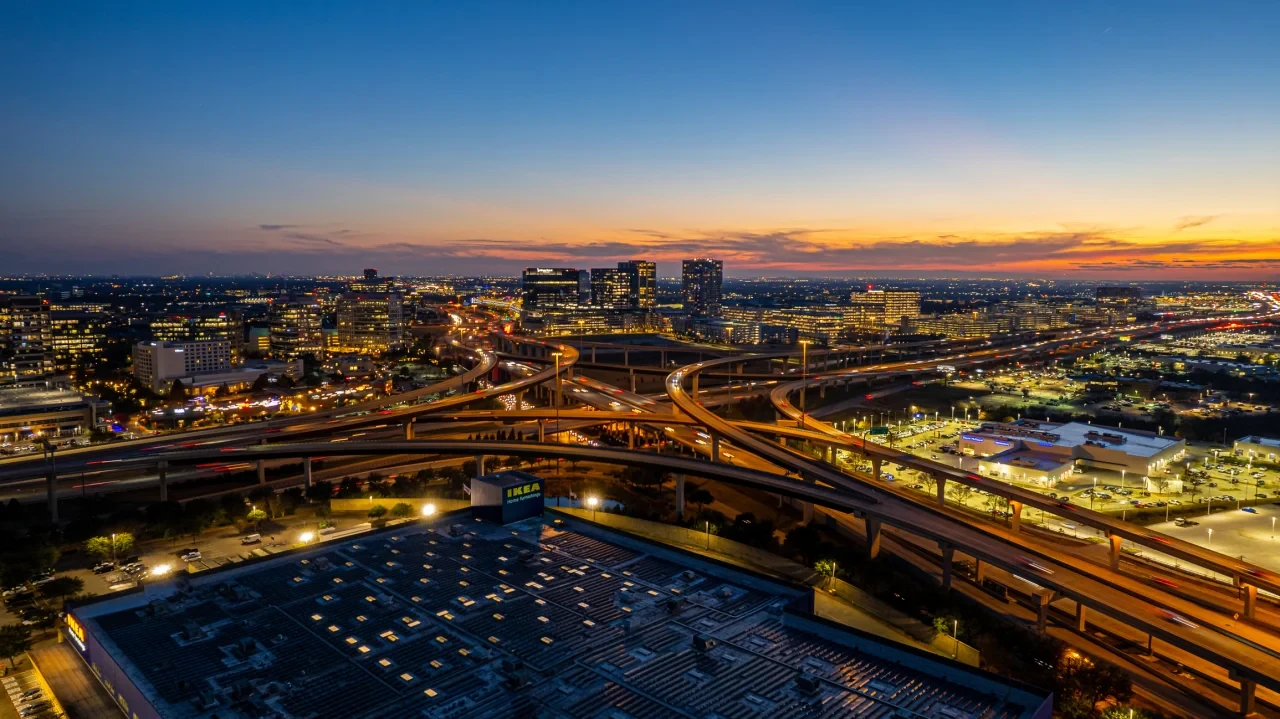
Frisco Trade Show Exhibits visual for Exhibit House of DallasLocation

Frisco’s Role in the Expanding DFW Exhibit Landscape

The city of Frisco has developed into a significant suburban corporate node within the Dallas-Fort Worth region, hosting headquarters for major companies and drawing consistent demand for professional gatherings that range from executive briefings to industry showcases. This evolution creates a market layer distinct from the heavy infrastructure of the Kay Bailey Hutchison Convention Center or the hospitality-focused clusters in Grapevine and Irving. Exhibit coordinators therefore adjust their approach to emphasize accuracy targeting over volume, recognizing that Frisco events frequently attract decision-makers from surrounding North Texas communities.

Proximity to major employment centers and residential growth corridors allows for attendee convenience that can translate into longer dwell times at exhibits when properly planned. However, this same accessibility means programs must compete with daily business routines, making clear value propositions and efficient space utilization essential. Viewing Frisco through the lens of the full DFW ecosystem helps organizers sequence activations that reinforce messages delivered at larger regional shows while capitalizing on the more consultative atmosphere available here.

The intersection of corporate expansion and sports-related development further shapes exhibit opportunities. Events connected to athletic training facilities or entertainment districts often call for modular components that adapt to variable indoor-outdoor requirements. Operational planning therefore includes contingency pathways that maintain program continuity across fluctuating attendance scenarios typical of northern suburban markets.

By positioning Frisco within the recommended DFW location framework that also encompasses Plano, Allen, and McKinney, coordinators gain perspective on resource sharing and cross-market efficiencies that reduce redundancy while preserving the unique character of each district.

Venue Assessment and Operational Requirements in Frisco

Frisco’s meeting infrastructure centers on a collection of conference facilities and hotel-based spaces that accommodate programs from intimate boardroom presentations to multi-room conferences with exhibit components. These venues typically feature contemporary construction with standardized ceiling heights and utility access points that support a range of display systems, though they generally operate at a smaller scale than primary DFW convention infrastructure. Early confirmation of dimensional constraints, power distribution, and rigging capabilities prevents downstream adjustments that compress installation windows.

Compared to the dock and freight elevator systems documented at the Kay Bailey Hutchison Convention Center, Frisco locations often rely on ground-level loading or limited staging areas that require tighter sequencing of deliveries from regional hubs. Planners reference service partner guidelines established across DFW to anticipate these differences and incorporate appropriate lead times. The Visit Frisco venues overview provides foundational orientation for matching program scope to physical realities.

Seasonal factors also influence venue selection. Corporate planning cycles in Frisco tend to concentrate in spring and fall, overlapping with broader regional activity and creating pressure on shared vendor resources. Advance mapping of these overlaps against the calendars of neighboring markets such as Lewisville or the Colony enables more resilient scheduling that protects both budget and quality of execution.

Attention to district-level differentiation ensures that exhibits designed for Frisco’s brighter, more open architectural environments do not simply replicate configurations optimized for the enclosed halls of downtown Dallas or the arena-adjacent setups common in Arlington.

  • Confirm dimensional and utility specifications during initial site review
  • Sequence deliveries to align with room-specific access windows
  • Cross-reference regional calendars to avoid resource conflicts
  • Adapt display footprints to match typical Frisco attendance densities

Transportation and Logistics Coordination for Northern Suburbs

Access to Frisco from DFW Airport or Dallas Love Field follows predictable but variable routes along the Dallas North Tollway and connecting arteries, with typical transit times ranging from 35 to 55 minutes under normal conditions. Exhibit transportation plans incorporate buffers for peak-hour congestion and potential weather impacts common to North Texas, ensuring materials arrive within the narrow delivery windows many suburban venues enforce. Alternative routing through Plano or Carrollton provides contingency options when primary corridors experience disruption.

Material handling requirements in Frisco reflect its position as a secondary node within the larger DFW logistics network. While not featuring the extensive dock operations of the Kay Bailey Hutchison Convention Center, local facilities generally accommodate standard crate sizes when pre-coordinated. Planners reference broader DFW exhibitor guidelines to establish realistic expectations for forklift availability, staging space, and dismantle sequencing that keep programs on schedule.

Storage considerations play an outsized role in suburban markets where dedicated warehousing may be limited. Designs that emphasize modular, stackable components reduce the footprint needed between events and facilitate efficient transfers to subsequent activations in nearby cities such as Allen or Richardson. This approach supports the multi-location strategies many organizations deploy across the recommended DFW target list.

Operational detail at the district level includes awareness of hotel loading dock limitations during peak conference periods and the value of pre-arranged curbside protocols that minimize disruption to regular guest traffic.

Exhibit Design Strategies Calibrated for Frisco Audiences

Demographics in Frisco skew toward technology-forward professionals and families connected to corporate and sports communities, suggesting designs that prioritize interactivity, clean aesthetics, and digital integration over purely static graphics. Lighting schemes perform best when balanced for abundant natural light conditions in newer facilities, while graphic scales should support both close conversation and brief hallway impressions. These nuances differentiate effective Frisco programs from those optimized for the denser floor layouts of major convention centers.

Sustainability considerations have gained traction among Frisco-based corporations that increasingly reference environmental metrics in vendor selection. Modular systems fabricated from reusable components deliver dual benefits of reduced waste and cost efficiency when deployed across multiple DFW markets throughout the year. Storage and reconfiguration features become particularly valuable given the tighter storage parameters common to hotel and conference venues in the northern corridor.

Technology layers, including touch interfaces and data capture tools, must be selected with both venue bandwidth capabilities and audience comfort levels in mind. Frisco events often reward consultative experiences that allow deeper engagement rather than high-volume lead generation, shifting design emphasis toward quality of interaction and well-sequenced follow-up mechanisms.

Cross-referencing design decisions against the distinct operational contexts of other suburban nodes such as Addison or Southlake prevents generic approaches and instead produces regionally coherent yet locally attuned programs.

  • Prioritize modular components for multi-venue flexibility
  • Balance lighting for mixed natural and artificial conditions
  • Incorporate data collection aligned with privacy standards
  • Test interactive elements against typical room acoustics

Timeline Development and Milestone Management

Effective Frisco timelines typically establish initial venue confirmation eight to twelve months prior for mid-sized corporate programs, allowing sufficient runway for design iteration, fabrication, and alignment with regional labor availability. This horizon accounts for the faster decision cycles observed among North Texas corporations while building in review gates that accommodate feedback without derailing downstream execution. Integration with broader DFW event calendars prevents resource bottlenecks during overlapping peak periods.

Fabrication and pre-shipment validation milestones receive particular emphasis because transportation from central DFW points to northern suburbs can introduce variables not present in downtown deliveries. Rehearsal periods for interactive or technology-heavy exhibits should be scheduled at least two weeks before move-in to allow for adjustments based on actual venue conditions rather than renderings alone.

Dismantle and post-event debrief schedules are equally critical. Capturing insights within ten business days of program close preserves detail that informs subsequent planning in Frisco or adjacent markets like McKinney and Prosper. This iterative process gradually refines the balance between standardization across DFW and customization for Frisco’s specific audience expectations.

Operational experience across the recommended location targets shows that timelines anchored in realistic buffers for tollway transit and suburban venue constraints consistently deliver higher on-time performance than compressed schedules borrowed from denser urban environments.

Budget Planning and Resource Optimization

Budget frameworks for Frisco activations balance the lower base venue costs of suburban markets against transportation, specialized setup, and technology expenses that can equal or exceed those of more centralized locations. Accurate modeling draws on patterns observed across the full set of DFW targets, allocating resources according to expected attendee quality rather than sheer quantity. Reusable exhibit elements that deploy in Frisco, Plano, and Addison programs often improve amortization rates significantly.

Labor and material handling represent variable costs that require early consultation with service partners familiar with northern suburban rules. While specific union jurisdictions follow the patterns established for DFW overall, Frisco venues frequently operate with hybrid arrangements that reward advance planning. Contingency line items should address potential weather-related adjustments for events with outdoor components near sports facilities.

Return-on-investment calculations benefit from metrics tailored to Frisco’s strengths in relationship development and targeted lead qualification. When tracked consistently against parallel programs in Irving, Grapevine, or downtown Dallas, these numbers reveal clear guidance on optimal spend distribution across the metroplex. Many coordinators discover that incremental investment in experiential elements yields measurable advantages in this market’s consultative environment.

Long-term financial planning incorporates the city’s continued growth trajectory, positioning organizations to scale programs efficiently as new venues and corporate campuses come online while maintaining consistency with established DFW brand standards.

  • Allocate for tollway transit and suburban handling variables
  • Prioritize reusable assets across multiple DFW locations
  • Tie budget categories to quality-focused KPIs
  • Build contingency for seasonal northern corridor disruptions

Performance Measurement and Continuous Improvement

Metrics programs for Frisco events emphasize depth of engagement over volume, tracking qualified conversations, follow-up commitments, and post-event conversion rates that align with the market’s corporate decision-making culture. Digital tools that capture booth traffic heat maps and interaction duration provide objective data that complements staff observations. When aggregated with results from other recommended DFW locations, these insights highlight Frisco’s particular effectiveness for certain verticals and program formats.

Survey timing and methodology should respect attendee schedules that often include tight travel windows back to offices or homes in surrounding communities. Brief digital intercepts combined with structured follow-up sequences have proven effective at maintaining response rates without adding friction to the exhibit experience itself.

Annual reviews that compare Frisco outcomes against those in Arlington sports venues, Irving hospitality clusters, or Fort Worth cultural districts surface patterns useful for refining targeting, messaging, and resource allocation. The suburban node’s continuing evolution requires periodic recalibration of success definitions to ensure relevance as the broader DFW event market matures.

Documentation of both quantitative results and qualitative observations creates institutional knowledge that benefits future coordinators and supports consistent advancement of regional exhibit strategy.

FAQ

Frequently Asked Questions on Frisco Exhibit Planning

How does Frisco differ operationally from downtown Dallas for exhibit programs?

Frisco typically features smaller-scale venues with modern amenities and focused corporate audiences, requiring adjustments in exhibit footprint, logistics sequencing, and engagement tactics compared to the high-volume environment of the Kay Bailey Hutchison Convention Center.

What lead time is recommended for planning Frisco events within the DFW market?

Corporate programs in Frisco generally benefit from six to twelve months of advance planning to accommodate design, fabrication, regional scheduling alignment, and the specific access requirements of northern suburban venues.

Which industries show strongest exhibit activity in Frisco?

Technology, sports-related businesses, healthcare, and consumer packaged goods companies frequently organize events in Frisco, creating demand for interactive and consultative exhibit experiences that match the professional demographics of the area.

How should transportation be planned for exhibits traveling to Frisco?

Routing via the Dallas North Tollway or Sam Rayburn Tollway from DFW Airport or central Dallas hubs requires built-in buffers for congestion, with contingency paths through Plano or Carrollton recommended to maintain installation schedules.

Can a single exhibit program effectively span Frisco and other DFW locations?

Yes, many organizations develop modular strategies that allow consistent branding and efficient resource use across Frisco, Plano, Addison, Arlington, and downtown Dallas while adapting to each district’s distinct operational context.

What metrics best capture success for Frisco-based activations?

Qualified lead quality, engagement duration, and post-event conversion rates typically provide more meaningful insight than raw traffic counts, reflecting Frisco’s strength in targeted professional relationship building.

Start the conversation

Begin Planning Your Frisco Program

Contact our coordination specialists for tailored guidance on executing successful exhibits in Frisco as part of your broader DFW strategy. Leverage regional insight to achieve measurable impact.

Start your scope