Locations / Fort Worth TX Trade Show Exhibit Planning and Coordination

Fort Worth TX Trade Show Exhibit Planning and Coordination

Fort Worth operates as a distinctive venue cluster within the Dallas-Fort Worth metroplex, supporting targeted conferences, industry events, and activations that require specific planning across design, logistics, and execution.

Fort Worth roleFort Worth, TX
Nearest venue cueFort Worth Convention Center
Local pressureFort Worth follows the western DFW calendar
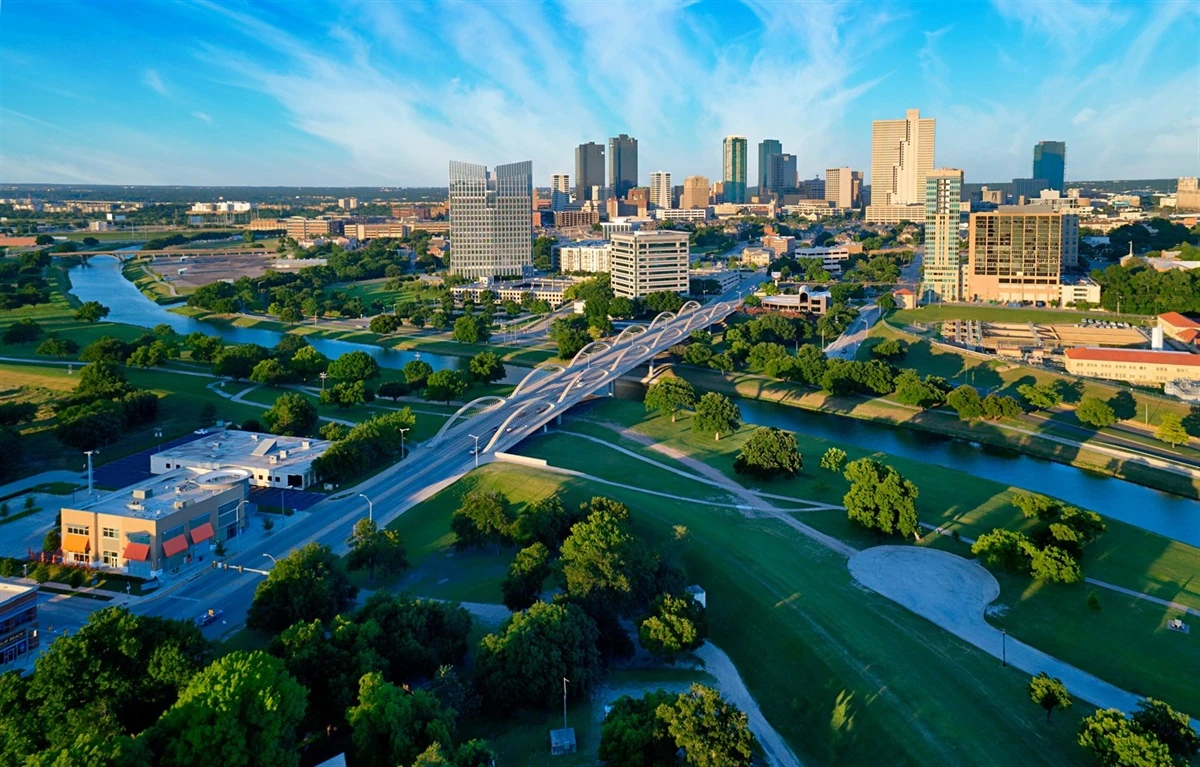
Fort Worth Trade Show Exhibits visual for Exhibit House of DallasLocation

Fort Worth Position Within the DFW Exhibition Corridor

Fort Worth functions as a vital secondary hub in the collection of DFW municipalities equipped to host trade shows, conferences, and corporate activations. Its inclusion alongside Dallas, Arlington, Irving, Plano, Frisco, Grapevine, Addison, and Allen reflects realistic capacity to support exhibit demand generated by regional economic activity. The city's western location within the metroplex creates distinct transit times and logistical sequencing compared to more centrally located or airport-proximate clusters.

Regional planning documents consistently group Fort Worth with these surrounding markets because the combined infrastructure of airports, highways, and convention facilities creates a coordinated environment for exhibitors operating across multiple sites. Events in Fort Worth benefit from proximity to DFW International Airport and associated freight networks, yet require separate attention to local routing that avoids congestion points typical of the larger Dallas-Fort Worth transportation web.

This differentiation allows exhibit planners to develop targeted approaches that respect Fort Worth's specific event cadence while leveraging the broader capabilities of the DFW region. Understanding these relationships prevents scheduling conflicts and supports more efficient allocation of design, fabrication, and coordination resources across an entire regional program.

  • Secondary priority status shared across listed DFW municipalities
  • Distinct operational context versus Arlington or Frisco clusters
  • Integration with documented DFW venue corridors and airport approaches

Logistics Coordination for Material Movement to Fort Worth

Shipping and material handling for Fort Worth events must synchronize with the documented airport approaches and highway systems that serve the entire DFW metroplex. Carriers familiar with regional delivery patterns can navigate the specific routes that connect fabrication centers to western DFW destinations, minimizing delays during peak event periods. Advance mapping of these routes forms a foundational element of successful exhibit coordination.

Loading dock procedures and freight management practices vary across DFW venue clusters, making it necessary to confirm Fort Worth-specific requirements during initial planning stages. Official resources from major convention facilities in the region provide baseline expectations for exhibitor shipments, advance warehousing options, and on-site receiving that can be adapted for Fort Worth shows. Early engagement with these protocols reduces the risk of unexpected surcharges or scheduling conflicts.

Effective logistics planning also incorporates contingency timing for DFW traffic variables that can affect last-mile delivery to Fort Worth locations. By building realistic buffers into the schedule and selecting carriers experienced in the metroplex, exhibitors maintain control over their move-in windows and protect overall event budgets from avoidable transportation variances.

  • Alignment with DFW International Airport freight corridors
  • Pre-confirmation of dock and receiving protocols
  • Carrier selection based on documented regional experience
  • Buffer timing for metropolitan traffic patterns

Custom Booth Design Strategies for Fort Worth Audiences

Booth concepts for Fort Worth events succeed when they reflect both brand objectives and the practical realities of the city's exhibition environments. Designs must balance visual impact with functional considerations such as traffic flow, lighting needs, and adaptability for shows of differing scales. This approach ensures the exhibit performs effectively within the specific context Fort Worth provides compared to Plano corporate settings or Grapevine hospitality nodes.

The planning sequence begins with clear definition of event goals, anticipated attendee profiles, and space parameters typical of Fort Worth venues. These inputs drive decisions around modular components, graphic messaging, and technology integration that can be reconfigured for subsequent events in other DFW municipalities. Such forward-thinking design reduces long-term costs while maintaining relevance across the regional calendar.

Coordination resources help translate these requirements into production-ready specifications that respect fabrication timelines and shipping constraints. The result is an exhibit solution that feels intentional for Fort Worth without sacrificing the flexibility needed for efficient reuse throughout the Dallas-Fort Worth area.

Installation and Dismantle Best Practices Across DFW

Installation and dismantle activities for Fort Worth shows require detailed scheduling that accounts for the distinct labor windows and venue move-in sequences found in this cluster. Early definition of these timelines during the design phase allows components to be engineered for efficient assembly, reducing on-site complications and supporting compliance with established regional procedures. This preparation is especially valuable when exhibits rotate between multiple DFW locations with differing requirements.

Service partner directories published by major DFW convention facilities offer guidance on qualified providers for supervision, rigging, and technical support that can be referenced when planning Fort Worth programs. Selecting partners according to these documented resources helps maintain consistency in execution quality across the metroplex while addressing the specific needs of each event.

Post-dismantle reviews contribute valuable data for refining future coordination efforts. By documenting what worked within the Fort Worth context versus neighboring clusters such as Irving or Addison, planners build institutional knowledge that improves performance and cost control over successive regional campaigns.

  • Modular component engineering for rapid setup
  • Reference to regional service partner listings
  • Documentation of cluster-specific outcomes
  • Timeline buffers to accommodate DFW variables

Utility and Technical Service Coordination

Electrical, internet, and audiovisual requirements for Fort Worth events follow patterns established across DFW convention resources. Official exhibitor guides from facilities such as the Kay Bailey Hutchison Convention Center provide templates for utility planning that can inform specifications for Fort Worth shows. Early identification of these needs prevents last-minute adjustments and ensures compatibility with venue infrastructure.

Coordination with listed service partners helps secure the correct power configurations, data connections, and rigging support required for individual booth designs. These partnerships, when selected according to published directories, streamline the process of meeting both exhibitor expectations and facility standards throughout the DFW region.

Integration of these technical elements during the initial planning phase allows for accurate budgeting and prevents surprises during move-in. The cumulative effect is a smoother operational experience that lets exhibitors concentrate on attendee engagement rather than infrastructure details.

  • Reference to documented utility planning templates
  • Early engagement with approved service categories
  • Power and connectivity specifications by booth size
  • Rigging requirements aligned with venue parameters

Comparing Operational Contexts Across DFW Clusters

Fort Worth maintains operational characteristics that set it apart from downtown Dallas convention center environments, Arlington's tourism-driven activations, and Frisco's modern sports and meeting facilities. These distinctions extend to attendee demographics, typical show durations, and preferred engagement formats. Recognizing them enables more specific exhibit customization and messaging strategies for each location.

Irving and Grapevine, with their strong hospitality and airport connections, present different logistical starting points than Fort Worth's western orientation. Similarly, suburban nodes such as Plano, Addison, and Allen emphasize corporate and technology audiences that may require alternate booth configurations. A unified DFW strategy therefore incorporates modular elements that adapt efficiently to these varied contexts.

Regional sources covering event planning in Irving, Arlington, and Frisco reinforce the value of treating each municipality as a distinct cluster. This perspective supports coordinated campaigns that maximize impact across multiple DFW events while controlling the costs associated with repeated design and fabrication.

  • Fort Worth western corridor versus central Dallas
  • Corporate emphasis in Plano and Allen compared to Fort Worth
  • Tourism and sports differentiation in Arlington and Frisco
  • Hospitality node distinctions in Grapevine and Irving

Budget and Timeline Optimization for Regional Programs

Developing realistic budgets for Fort Worth events involves itemizing design, production, shipping, material handling, utilities, and coordination elements with an eye toward reuse across the DFW region. Modular construction and standardized components deliver measurable savings when the same exhibit serves multiple municipalities with differing venue requirements. Early planning allows these efficiencies to be designed in rather than retrofitted.

Timelines should begin four to six months prior to show dates to accommodate design iterations, fabrication, graphics production, and freight scheduling through DFW networks. This horizon provides necessary buffers for approvals and potential adjustments based on confirmed venue specifications. Shorter lead times frequently compress options and increase expenses.

Viewing individual Fort Worth participation as one element of a larger DFW calendar enables strategic scheduling that spreads costs and concentrates learning. Post-event evaluations from one show inform improvements for the next, whether that next event occurs in Fort Worth, Mesquite, or any of the other documented regional locations.

Long-Term Exhibit Program Development in DFW

Sustainable success in the Fort Worth market and across DFW depends on creating exhibit assets that evolve with changing event demands and brand priorities. Investment in high-quality modular systems allows incremental refreshes rather than complete redesigns, preserving capital while maintaining visual impact at each show. This philosophy aligns with the reality of recurring participation in multiple DFW municipalities.

Continuous monitoring of the regional event calendar helps identify complementary opportunities in Fort Worth and its neighboring cities. When combined with documented planning resources from DFW convention centers and visitor bureaus, this awareness supports proactive program management rather than reactive decision making.

Regular assessment of exhibit performance across different clusters generates data that refines future coordination. Over time, these insights compound into more effective booth strategies, stronger audience connections, and improved return on investment for the entire Dallas-Fort Worth exhibition program.

  • Modular system investment for multi-year use
  • Calendar monitoring across listed DFW municipalities
  • Performance data collection by venue cluster
  • Incremental refresh strategies versus full redesigns

FAQ

Frequently Asked Questions on Fort Worth TX Exhibit Coordination

How does Fort Worth differ operationally from other DFW location clusters?

Fort Worth maintains a distinct venue cluster profile within the DFW metroplex, characterized by its own traffic patterns, audience mix, and event cadence that require differentiated planning compared to Arlington, Frisco, Irving, or Plano.

What logistics factors should be prioritized for Fort Worth events?

Priority goes to synchronizing with DFW airport approaches, confirming regional freight routes, mapping loading dock availability, and building schedule buffers for metropolitan traffic variations that affect western DFW deliveries.

When should planning begin for a Fort Worth trade show booth?

Initiate planning four to six months in advance to accommodate design finalization, production timelines, shipping through DFW networks, and coordination with service partners referenced in regional convention resources.

Can one exhibit system work across multiple DFW municipalities?

Yes. Modular designs engineered for adaptability allow the same core structure to be reconfigured for the distinct operational contexts of Fort Worth, Dallas, Arlington, Frisco, and other listed DFW locations.

How are service partners selected for Fort Worth exhibitions?

Selection draws from documented directories and service partner listings published by major DFW convention centers, evaluating experience with similar scales, technical capabilities, and alignment with specific utility and rigging requirements.

What budget elements are unique to DFW regional exhibit programs?

Budgets must account for repeated shipping between clusters, modular component standardization for reuse, cluster-specific utility variations, and coordination resources that support multiple events without redundant fabrication costs.

Start the conversation

Begin Coordinating Your Fort Worth Exhibit Program

Use our planning resources to develop an efficient approach for your next Fort Worth event or multi-city DFW campaign. Reach out today to align strategy with regional requirements.

Start your scope