Locations / Farmers Branch TX Trade Show Exhibit Planning & DFW Coordination

Farmers Branch TX Trade Show Exhibit Planning & DFW Coordination

Strategic planning resource for Farmers Branch organizations participating in the full range of Dallas-Fort Worth trade shows, conferences, and industry activations.

Farmers Branch roleFarmers Branch, TX
Nearest venue cueOmni Frisco Hotel at The Star
Local pressureFarmers Branch sits near the Dallas business core
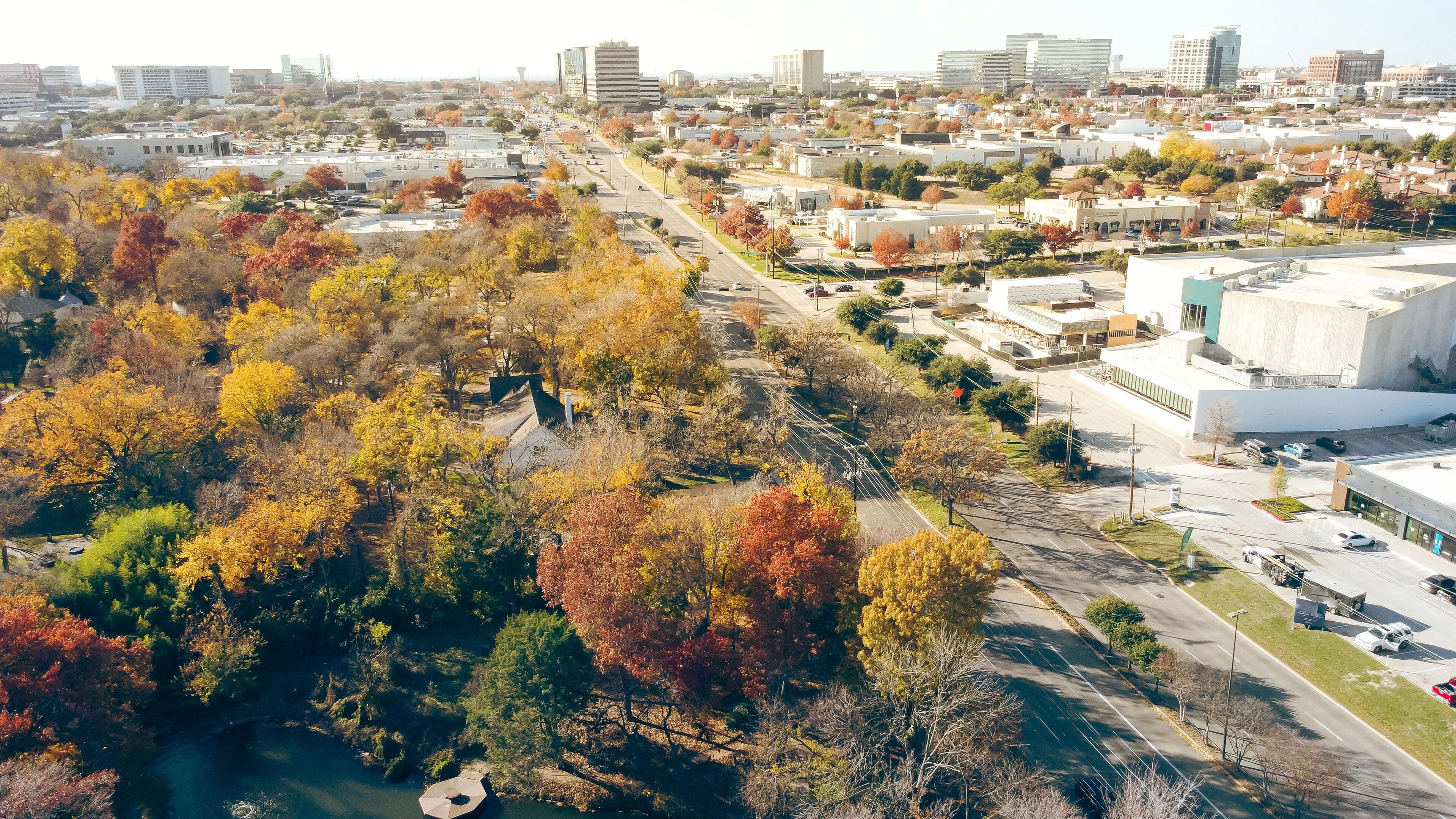
Farmers Branch Trade Show Exhibits visual for Exhibit House of DallasLocation

Farmers Branch Position in the Broader DFW Exhibition Ecosystem

Located in Dallas County, Farmers Branch functions as a stable suburban node that connects readily to the primary event corridors spanning the metroplex. Organizations headquartered here routinely evaluate opportunities at both large-scale convention centers and more specialized suburban facilities. The key lies in early identification of which cluster best matches the target audience and event format, whether that involves technology showcases in Frisco, hospitality-driven programs in Irving, or expansive trade floors in downtown Dallas.

Regional market drivers include consistent corporate demand, industry trade calendars, and growing interest in experiential activations. Farmers Branch planners gain advantage by reviewing official planning documents from cities such as Irving and Arlington, which outline venue capabilities, attendee profiles, and supporting infrastructure. This research prevents misalignment between exhibit objectives and the actual environment where execution occurs.

Treating the DFW region as a collection of differentiated zones rather than a single market allows for more specific budgeting, design adaptation, and resource scheduling. The approach supports repeatable success across multiple events per year while respecting the unique operational tempo of each location.

  • Review Irving Event Planning Guide for hospitality and airport-adjacent venue insights
  • Examine Arlington conventions resources for sports and entertainment district context
  • Consult Frisco venue listings to understand corporate and technology-friendly facilities

Distinct Operational Contexts Across DFW Venue Clusters

Downtown Dallas, led by the Kay Bailey Hutchison Convention Center, operates with high-volume trade show infrastructure designed for national and international exhibitors. Its scale requires advance attention to published exhibitor guidelines covering material handling, electrical distribution, and internet provisioning. In contrast, Irving venues emphasize proximity to DFW Airport and integration with hotel properties, creating different freight and staffing sequencing needs.

Arlington and Frisco represent further differentiation. Arlington blends convention activity with sports and entertainment districts, often attracting audiences seeking interactive or experiential elements. Frisco focuses on modern, corporate-oriented spaces that favor technology-forward presentations and streamlined move-in procedures. Grapevine and Plano add layers of hospitality and suburban corporate focus that influence booth design, storage requirements, and on-site supervision strategies.

Farmers Branch exhibitors achieve better outcomes by developing cluster-specific playbooks. These documents capture variances in service partner requirements, utility ordering deadlines, and preferred presentation formats. Such preparation reduces last-minute adjustments and supports consistent branding across geographically dispersed events within the same calendar quarter.

  • Downtown Dallas: large-scale docks, comprehensive service partner directories, utility ordering portals
  • Irving: airport logistics emphasis, hotel ballroom integration, shorter setup windows
  • Frisco and Plano: technology infrastructure focus, corporate audience expectations
  • Arlington: mixed-use entertainment adjacency, experiential activation potential

Kay Bailey Hutchison Convention Center Planning Specifics

The Kay Bailey Hutchison Convention Center publishes detailed exhibitor resources that address every stage of participation. These materials cover what exhibitors should expect regarding inbound freight, badge processes, and safety protocols. Early review allows Farmers Branch teams to build accurate project timelines that incorporate the center's specific move-in sequencing and material handling procedures.

Service partner directories maintained by the facility identify approved providers for rigging, electrical, plumbing, and specialized installation services. Coordination with these partners follows structured channels that maintain accountability and compliance with center policies. Utility ordering occurs through designated portals with clearly stated deadlines that must be factored into overall campaign calendars.

Dock and loading dock information further refines planning. The center's layout and freight flow patterns influence crate storage, unpacking sequences, and waste management strategies. Exhibitors who map these elements during the design phase avoid congestion during peak move-in periods and maintain smoother transitions between setup, show days, and dismantle.

  • Consult official exhibitor pages for material handling and safety expectations
  • Utilize published service partner lists for rigging and technical support
  • Order utilities and services through facility-designated channels and deadlines
  • Align crate delivery and storage plans with dock availability windows

Supporting Venues and Specialized Facilities in the Region

Beyond the convention center, Dallas Market Hall serves vertical industries with its own operational cadence and exhibitor requirements. The hall's focus on wholesale and specialty markets favors particular booth configurations and demonstration layouts that differ from general convention floor standards. Fashion Industry Gallery provides a more intimate, design-oriented environment where lighting, sight lines, and merchandise presentation take precedence.

Irving's event infrastructure, as outlined in its planning guide, integrates closely with area hotels and airport logistics. This creates opportunities for orderly attendee flow between sessions and exhibits but needs early coordination of transportation and storage elements. Arlington venues similarly blend convention space with surrounding entertainment districts, requiring planners to account for shared parking, security perimeters, and variable attendance patterns.

Frisco and Grapevine add further options for corporate and consumer events. These locations often feature newer facilities with robust technology backbones and flexible room configurations. Understanding the documented capabilities of each site enables Farmers Branch organizations to select the most suitable environment for their specific exhibition goals while maintaining operational consistency.

Service Partner Coordination and Vendor Ecosystem Management

Successful DFW exhibitions depend on structured relationships with service partners who understand individual venue rules. The Kay Bailey Hutchison Convention Center and similar facilities maintain curated directories that simplify selection while ensuring regulatory alignment. Farmers Branch planners benefit from initiating contact during the conceptual phase to incorporate partner input on feasibility, cost structures, and timeline realities.

Effective coordination extends beyond single-event execution. Many organizations develop standing relationships with partners who can advise on nuances across clusters, from electrical capacity at downtown facilities to audiovisual integration in Frisco conference centers. This knowledge compounds over multiple campaigns, reducing redundant research and improving cost predictability.

Documentation remains central. Detailed records of partner responsibilities, delivery windows, and contingency contacts help maintain continuity when internal teams change or when events span several days with varying attendance levels. The approach transforms vendor management from a reactive task into a strategic planning asset.

  • Reference venue service partner lists before finalizing vendor selections
  • Initiate coordination during concept development to capture operational constraints
  • Maintain centralized documentation of responsibilities and contact protocols
  • Evaluate partners on cross-cluster experience within the DFW region

Timeline Development and Logistics Sequencing

Comprehensive timelines for DFW events integrate facility-specific milestones for freight arrival, installation windows, utility activation, and dismantle. The Kay Bailey Hutchison Convention Center's dock schedules and published exhibitor timelines provide concrete anchors that Farmers Branch coordinators use to build realistic calendars. Buffer periods for potential delays in regional freight movement further strengthen these plans.

Logistics considerations include routing decisions that account for typical traffic patterns between Farmers Branch and target venues. Advance shipment to approved warehouses or Direct to Show delivery each carry distinct timing and cost implications that must be modeled during budgeting. Coordination with carriers familiar with convention center receiving hours prevents bottlenecks.

Post-event dismantle and outbound freight follow similarly strict windows. Planning these elements concurrently with initial setup creates continuity that protects budgets and reduces storage surprises. Organizations that rehearse full timelines in advance report higher consistency in on-time completion across repeated DFW campaigns.

Utility Specifications, Technical Requirements, and Budget Alignment

Each DFW venue publishes specific utility standards covering electrical amperage, internet bandwidth, plumbing, and rigging points. The Kay Bailey Hutchison Convention Center's exhibitor utilities page details ordering procedures and technical specifications that directly influence exhibit engineering. Farmers Branch teams that incorporate these requirements during initial design avoid costly change orders later in the process.

Budgeting for multi-cluster participation requires granular forecasting. Downtown conventions may carry higher service partner and utility costs while suburban venues sometimes offer more inclusive packages. Separate line items for freight, labor coordination, graphics refresh, and contingency help maintain fiscal control across a full-year schedule of events.

Technical infrastructure continues evolving. Modern facilities emphasize high-speed connectivity and integrated AV capabilities that can enhance booth performance when properly specified. Early alignment between exhibit design, utility orders, and partner capabilities ensures these features operate as intended on show days.

  • Match exhibit power and data needs to published venue specifications
  • Forecast cluster-specific cost variations during annual budgeting cycles
  • Incorporate technical infrastructure requirements at the concept stage

Strategic Multi-Event Campaign Development for Farmers Branch Organizations

Many Farmers Branch companies participate in sequenced events that span downtown Dallas, Irving, Arlington, and Frisco within a single quarter. Integrated campaign planning captures economies of scale in design, graphics, and component reuse while adapting messaging and configurations to each venue's unique audience and spatial constraints. This systems approach reduces overall waste and improves brand consistency.

Review of market resources from Visit Dallas, Irving, and Arlington helps identify thematic overlaps and calendar conflicts. Combining these insights with facility-specific operational data produces roadmaps that guide exhibit asset deployment, staff scheduling, and follow-up protocols. The resulting efficiency supports higher activity levels without proportional increases in internal coordination burden.

Continuous improvement comes from post-event documentation. Capturing lessons about dock flow, partner performance, and attendee engagement at each cluster builds institutional knowledge that sharpens future planning. Over time, Farmers Branch organizations develop sophisticated playbooks that treat the DFW region as a coordinated exhibition platform rather than isolated opportunities.

FAQ

Frequently Asked Questions

How should Farmers Branch companies approach planning for different DFW venue clusters?

Treat downtown Dallas, Irving, Arlington, Frisco, and Plano as operationally distinct. Review each facility's published exhibitor guidelines, service partner directories, and utility specifications early. Map freight routes, timeline milestones, and audience expectations separately for each cluster to maintain compliance and effectiveness.

What resources provide official guidance for exhibiting at the Kay Bailey Hutchison Convention Center?

The center maintains dedicated pages covering exhibitor expectations, service partners, utilities ordering, and dock procedures. These documents establish clear protocols for material handling, installation windows, and technical requirements that form the foundation of accurate project planning.

Why is cluster-level differentiation important for multi-event campaigns?

Each area maintains unique combinations of facility scale, audience demographics, freight handling capabilities, and service ecosystems. Uniform approaches often create inefficiencies or compliance gaps. Cluster-specific planning improves timeline accuracy, cost forecasting, and overall execution quality.

When should service partner coordination begin for DFW exhibitions?

Engagement during the conceptual phase allows partners to inform design feasibility, utility compatibility, and scheduling realities. Early involvement with venue-approved providers prevents downstream conflicts and supports more accurate budgeting and timeline development.

How do utility and technical specifications affect exhibit design decisions?

Published specifications for power, data, lighting, and rigging directly determine structural requirements and feature viability. Incorporating these constraints at the initial design stage avoids expensive modifications and ensures all technical elements function as intended within the host venue.

What factors influence successful logistics planning from Farmers Branch to DFW venues?

Key considerations include facility-specific dock schedules, preferred freight routing, advance warehousing options, and move-in sequencing rules. Aligning these elements with overall campaign timelines helps prevent congestion and supports smooth transitions between setup, exhibition, and dismantle phases.

Start the conversation

Develop Your DFW Exhibition Strategy

Use this planning framework to coordinate successful trade show participation across the Dallas-Fort Worth region from Farmers Branch.

Start your scope