Locations / Coppell TX: Exhibit Planning and Coordination for DFW Venue Clusters

Coppell TX: Exhibit Planning and Coordination for DFW Venue Clusters

Authoritative guidance for planning trade show exhibits and corporate activations across distinct DFW venue clusters, with operational considerations tailored to the accessibility and logistics nuances available from Coppell, Texas.

Coppell roleCoppell, TX
Nearest venue cueLoews Arlington Hotel
Local pressureCoppell sits close to DFW Airport
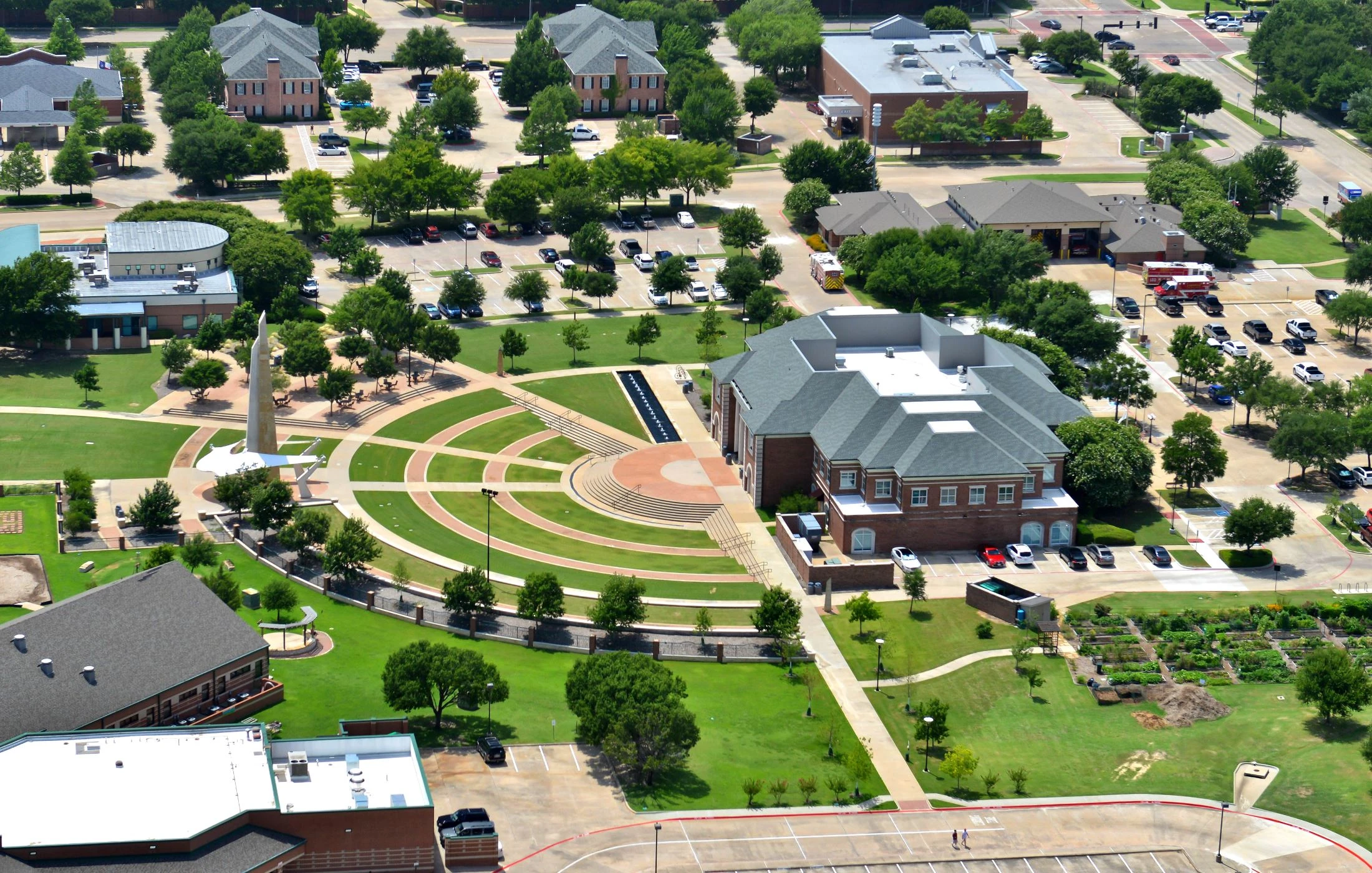
Coppell Trade Show Exhibits visual for Exhibit House of DallasLocation

Coppell in Context of DFW Venue Corridors and Operational Clusters

Coppell functions as a planning vantage point within the broader DFW exhibition landscape, positioned to address the distinct requirements of separate venue clusters. Downtown Dallas concentrates large-scale convention activity at the Kay Bailey Hutchison Convention Center, while Irving emphasizes corporate and hospitality-driven events with its dedicated planning frameworks. Grapevine offers airport-adjacent convenience, Frisco focuses on modern meeting venues tied to sports and entertainment districts, and Arlington integrates convention services with its entertainment corridor.

This district-level differentiation demands targeted coordination strategies. For instance, events routed through downtown Dallas require early alignment with center-published exhibitor documentation covering everything from inbound freight to onsite regulations. In contrast, Irving and Frisco venues often involve tighter integration with hotel properties and local municipal guidelines, altering the timeline and resource sequencing compared to pure convention center environments.

Planning from Coppell therefore begins with corridor mapping that accounts for these variances, ensuring that material handling expectations, labor coordination rules, and utility requests are submitted according to each cluster's documented protocols rather than cookie-cutter approaches.

  • Downtown Dallas: High-volume convention center with detailed dock and utility mandates
  • Irving: Corporate hospitality focus with event planning guide considerations
  • Grapevine: Airport proximity supporting national exhibitor arrivals
  • Frisco: Modern venues emphasizing technology and sports-adjacent activations
  • Arlington: Integrated convention and entertainment district logistics

Exhibitor Expectations and Compliance at Kay Bailey Hutchison Convention Center

The Kay Bailey Hutchison Convention Center maintains explicit documentation for exhibitors that outlines procedural requirements from initial booking through dismantle. These guidelines address advance deadlines, material handling classifications, and restrictions that directly impact planning timelines for programs accessible via Coppell routes. Early review of these parameters prevents downstream adjustments that compress I&D windows.

Operational detail at the center includes prescribed pathways for inbound and outbound freight, with attention to designated dock schedules that vary by show size and contractor. Coordination resources stress alignment with these published expectations to maintain schedule integrity across multiple concurrent events typical of the downtown Dallas cluster.

For Coppell-area planners, this translates to incorporating center-specific milestones into master timelines at least 90 to 120 days in advance, allowing buffer for service partner confirmations and utility orders that follow separate approval tracks.

  • Review of official exhibitor documentation prior to concept finalization
  • Classification of display materials according to center definitions
  • Adherence to published advance deadlines for all service requests
  • Integration of center policies into overall program calendars

Service Partner Ecosystems Across DFW Districts

Each major DFW venue cluster maintains lists of approved or recommended service partners responsible for categories including electrical, rigging, plumbing, and general exhibitor services. The Kay Bailey Hutchison Convention Center publishes these partners explicitly, creating a coordination framework that planners must navigate to ensure compliance and operational continuity.

Irving's event planning resources similarly highlight preferred providers tailored to its hospitality-heavy inventory, while Frisco and Arlington venues integrate partners suited to their technology-forward and entertainment-focused environments. These distinctions affect not only cost structures but also lead times for ordering and confirmation.

Authoritative planning therefore involves cross-referencing partner capabilities against the specific venue selected, with particular attention to how partners handle cross-cluster movements if an activation spans multiple DFW sites within a single campaign.

This ecosystem awareness supports accurate budgeting and risk mitigation without assuming direct relationships, focusing instead on transparent use of publicly documented provider directories.

Utility Provisioning and Infrastructure Specifications

Utility requirements represent a critical coordination layer at DFW facilities, particularly at the Kay Bailey Hutchison Convention Center where dedicated documentation details electrical, internet, and plumbing specifications. Orders must follow center-established procedures, including load calculations and connection standards that vary by booth size and location within the hall.

Planning for Coppell-accessible events requires early mapping of these needs against exhibit designs to avoid last-minute modifications. The center's utility guidelines also address temporary power distribution and data requirements that differ from those at smaller Frisco or Irving venues, which may rely more heavily on hotel infrastructure.

Operational nuance emerges in the sequencing: utility requests typically follow initial service partner selection and precede final material handling orders. This ordering discipline prevents conflicts during move-in and supports uninterrupted operation throughout show days.

Arlington and Grapevine facilities introduce additional variables tied to their mixed-use environments, where utility planning must also accommodate potential outdoor or pavilion extensions.

  • Electrical load calculations submitted per center specifications
  • Internet and data service ordering through approved channels
  • Plumbing and compressed air requirements reviewed in advance
  • Integration of utility timelines with overall I&D schedule

Dock Procedures, Freight Handling, and Material Management

The Kay Bailey Hutchison Convention Center provides specific guidance on dock usage, including inbound and outbound scheduling, staging areas, and material handling classifications. These protocols directly influence how exhibit components arrive from regional distribution points and depart post-event, requiring specific coordination to avoid demurrage or storage complications.

Planning resources for the DFW market emphasize advance registration of shipments according to center-published windows, with differentiation between crated, uncrated, and specialized items. This level of detail becomes especially relevant when activations rotate between downtown Dallas and suburban clusters such as Irving or Frisco, where dock infrastructure and labor rules diverge.

Coppell's location along key freight corridors supports logical sequencing of these movements, provided planners incorporate the distinct operational contexts of each venue. For example, airport-adjacent Grapevine events may prioritize air cargo handling, while Arlington facilities integrate with broader entertainment district traffic management.

Successful material management therefore rests on rigorous timeline construction that allocates sufficient buffer between dock appointments and actual installation start times.

Facility-specific Timelines and Installation Coordination

Developing realistic timelines requires synthesizing the unique constraints of each DFW cluster. Downtown Dallas convention center events typically follow multi-day I&D schedules governed by published move-in maps and labor parameters, whereas Frisco venues supporting corporate conferences may compress these phases around fixed hospitality blocks.

Irving's planning guide underscores the importance of aligning with hotel and conference center calendars that often include concurrent events, creating tighter windows than those at standalone facilities. Grapevine and Arlington similarly introduce variables related to seasonal tourism and entertainment programming that can shift standard coordination benchmarks.

Authoritative resources advocate constructing master calendars that begin with venue load-in confirmation and extend through dismantle, incorporating mandatory pre-show meetings and post-event audits where required. This approach maintains operational integrity across the full exhibit lifecycle.

For programs originating planning from Coppell, these timelines also factor in transportation intervals between the municipality and target venues, ensuring crews and materials converge according to each facility's documented rules.

  • 90- to 120-day advance milestone for service orders
  • Dedicated pre-show coordination windows per venue
  • Buffer allocation for potential weather or traffic impacts
  • Post-dismantle review against original compliance checklist

Specialty Venues and Non-Traditional Activation Planning

Beyond core convention centers, the DFW market includes specialized facilities such as Dallas Market Hall and the Fashion Industry Gallery, each with operational characteristics that diverge from standard exhibit halls. These venues support industry-specific shows, product launches, and boutique activations where display parameters, access hours, and service expectations follow customized protocols.

Coordination for these sites from Coppell involves mapping their distinct loading and utility capabilities, which are generally more limited than those at the Kay Bailey Hutchison Convention Center. Planners must therefore adapt material specifications and installation methods accordingly while still referencing the broader service partner ecosystem where overlapping.

Arlington and Frisco also host hybrid environments that blend exhibition space with sports, dining, and entertainment zones. These contexts introduce additional layers of crowd-flow planning and security coordination that merit early integration into program architecture.

The cumulative effect is a planning discipline that treats each venue as an independent operational environment, even when part of a multi-stop DFW campaign.

Budget Development and Resource Alignment for DFW Programs

Accurate budgeting for Coppell-linked DFW activations rests on granular understanding of facility-specific cost drivers, including service partner rates, utility tariffs, material handling fees, and potential overtime implications. The Kay Bailey Hutchison Convention Center documentation provides baselines that can be extrapolated across clusters while adjusting for Irving, Frisco, or Arlington variances.

Planning best practices call for line-item separation between fixed venue costs and variable exhibit elements, with contingency allocation for schedule compression or scope changes common in multi-cluster campaigns. Early engagement with published rate cards prevents surprise expenses during reconciliation.

Operational detail extends to labor categories, show schedules, and peak-period surcharges that differ markedly between downtown Dallas and suburban nodes. Resources emphasize building these factors into initial forecasts rather than treating them as afterthoughts.

The result is a coordinated financial framework that supports strategic decision-making across the full spectrum of DFW exhibition opportunities.

  • Separation of venue-mandated fees from discretionary services
  • Inclusion of cluster-specific labor and utility estimates
  • Contingency modeling for I&D schedule variances
  • Reconciliation protocols against final invoicing

FAQ

Frequently Asked Questions on Coppell-Area DFW Exhibit Planning

How does Coppell fit into planning for different DFW venue clusters?

Coppell provides a practical suburban node with corridor access to downtown Dallas, Irving, Grapevine, Frisco, and Arlington clusters. Each maintains distinct exhibitor guidelines, service partner lists, and operational timelines that must be addressed individually during planning.

What documentation should be reviewed first for Kay Bailey Hutchison Convention Center events?

Official exhibitor guidelines covering expectations, service partners, utilities, and dock procedures form the foundation. These resources establish compliance baselines and ordering deadlines essential for accurate coordination.

Why do service partner requirements vary across DFW districts?

Downtown Dallas, Irving, Frisco, and Arlington each publish tailored partner ecosystems suited to their facility types and event scales. Alignment with these approved lists ensures regulatory compliance and operational efficiency at the selected venue.

How far in advance should utility and dock orders be placed?

Best practice calls for submission 90 to 120 days prior, following the specific protocols published by each facility. This lead time accommodates review cycles and integration with broader installation timelines.

What distinguishes planning for specialty venues like Dallas Market Hall?

These facilities operate under more customized parameters for access, material handling, and utilities compared to full-scale convention centers. Coordination must adapt exhibit specifications and schedules to their documented constraints.

How are budgets constructed for multi-cluster DFW campaigns?

Budgets separate venue-mandated costs, service partner fees, and cluster-specific variables while incorporating contingency for timeline shifts. Reference to published rate information for each district supports control.

Start the conversation

Begin DFW Exhibit Coordination Planning

Connect with specialists experienced in the distinct operational requirements across Dallas-Fort Worth venue clusters to align your next program with documented standards and timelines.

Start your scope