Industries / Telecommunications Trade Show Services: Comprehensive Planning Guide for DFW Exhibitors

Telecommunications Trade Show Services: Comprehensive Planning Guide for DFW Exhibitors

Telecommunications exhibitors require step-by-step planning to showcase complex technologies like 5G networks, fiber optics, and satellite systems amid the high-traffic environments of Dallas-Fort Worth venues such as the KBHCCD and Dallas Market Hall.

Telecommunications Trade Show audienceTelecom exhibits need infrastructure storytelling
Venue contextPlano Event Center
Proof pointBooth Fabrication Tailored to Telecom Demonstrations
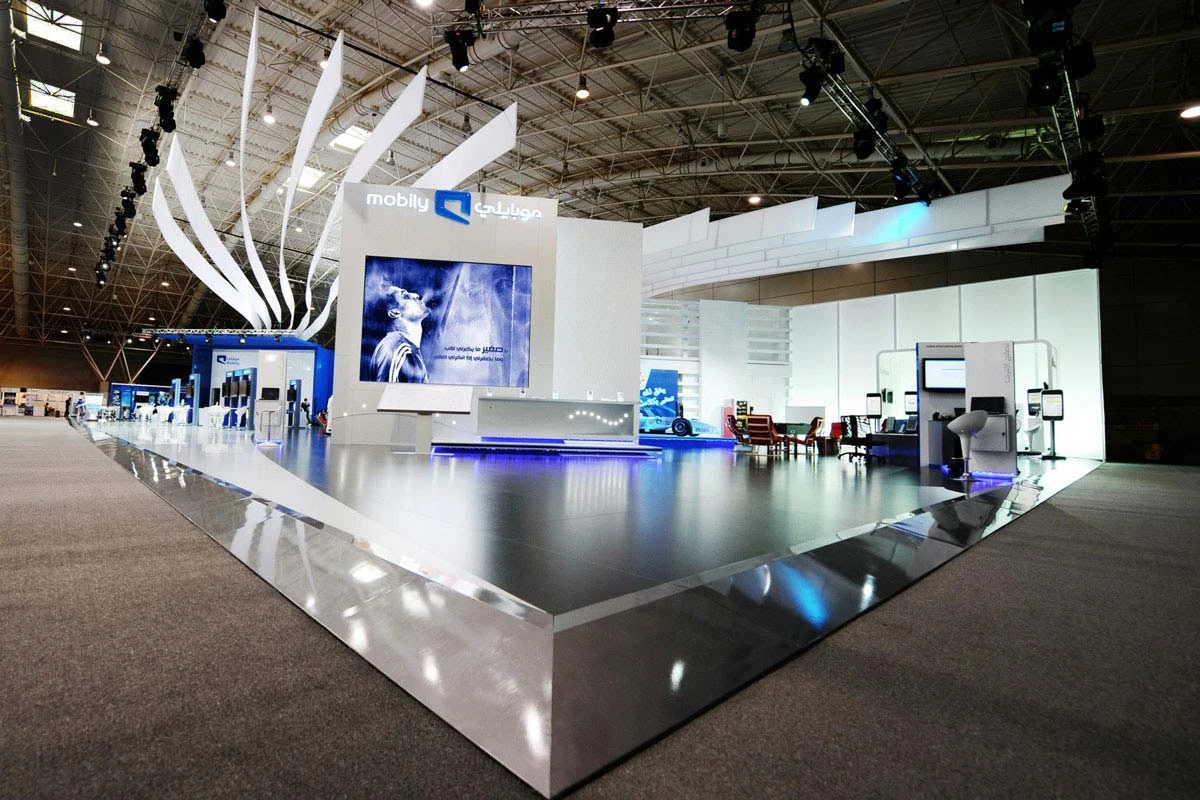
Telecommunications Trade Show Services in Dallas visual for Exhibit House of DallasIndustry

Booth Fabrication Tailored to Telecom Demonstrations

Telecommunications booths necessitate reinforced structures capable of suspending satellite dishes and mounting multi-screen arrays that visualize packet routing in real time, ensuring stability across the variable flooring of venues like the Kay Bailey Hutchison Convention Center Dallas. Planners coordinate fabrication timelines to align with dock access at this facility, where incoming shipments of lightweight aluminum trusses and heavy-duty pedestals for equipment bases arrive via multiple bay doors designed for simultaneous unloading. This approach prevents bottlenecks, allowing telecom firms to erect immersive environments that replicate data center layouts complete with airflow simulations for cooling high-performance routers.

In smaller configurations at Dallas Market Hall, booth designs emphasize vertical space utilization for fiber splicing workshops, incorporating lockable consoles to secure proprietary modems during off-hours. Coordination involves pre-show mockups to test bandwidth loads, ensuring that onboard switches handle concurrent video feeds from multiple demo pods without latency. Fashion Industry Gallery setups further adapt by integrating slim-profile LED panels that wrap around central podiums, facilitating 360-degree views of holographic network models while adhering to the venue’s spatial constraints.

Logistical foresight includes specifying flame-retardant materials for all cabling harnesses, as required in exhibit halls prone to high foot traffic, and arranging for on-site adjustments post-install to fine-tune alignment of projection mapping onto curved booth facades.

Logistics and Freight Management for Heavy Telecom Gear

Shipping telecommunications exhibit components demands specific scheduling around venue dock priorities, particularly at the Kay Bailey Hutchison Convention Center Dallas, where designated docks accommodate flatbed deliveries of palletized antennas and coiled fiber reels up to 48 inches in diameter. Planners map out multi-trailer sequences to stage crated servers adjacent to booth footprints, reducing fork-lift traversals across crowded halls and enabling installers to commence wiring before full crowd influx.

For events at the Irving Convention Center at Las Colinas, logistics incorporate wide-turn radius paths from perimeter lots to interior bays, ideal for maneuvering oversized crates containing base station prototypes. Omni Dallas Hotel ballrooms require elevator-rated rigging for upper-level telecom kiosks, with freight elevators sequenced to prioritize time-sensitive network hardware over ancillary furniture.

Comprehensive tracking systems monitor shipments from origin to final placement, incorporating buffer times for customs-cleared imports of international telecom standards equipment, ensuring all assets clear security scans without impeding show open.

  • Pallet configurations optimized for dock forklifts with 10,000-pound capacities
  • Protective crating for vibration-sensitive gyro-stabilized satellite trackers
  • Sequence planning to unload high-value routers prior to structural elements

Power and Connectivity Infrastructure Setup

Telecom exhibits consume substantial power for continuous operation of test beds simulating edge computing nodes, necessitating pre-arranged three-phase drops at venues like the Kay Bailey Hutchison Convention Center Dallas, where utility orders specify amperage ratings from 200 to 400 amps per booth circuit. Coordination verifies grounding standards to prevent interference in RF demos, with backup generators positioned per venue fire marshal layouts to sustain uptime during grid fluctuations common in multi-day expos.

High-speed data provisioning forms the backbone, routing Cat6a lines from central demarcation points to distributed access points within booths, calibrated for 10Gbps throughput at Hyatt Regency Dallas meeting spaces. Planners audit venue fiber patch panels for compatibility with exhibitor-provided SFP modules, enabling coordinated integration of private VLANs for secure demo traffic isolation.

Redundant failover circuits, including battery UPS units for core switches, mitigate risks during peak demo hours, while post-setup load tests confirm capacity headroom for spontaneous attendee device syncing.

Audio-Visual and Interactive Technology Deployments

Deploying AV systems for telecommunications trade shows involves synchronizing 4K video walls with latency-free audio for broadcasting live spectrum analysis, tailored to the acoustics of Dallas Market Hall’s expansive halls. Planners specify distributed processing units to handle 8x8 matrix switching, allowing dynamic content shifts from VoIP call simulations to IoT sensor feeds without visible glitches.

Interactive elements like touch-overlay tables for network path tracing require capacitive calibrations resistant to gloved hands, common among telecom professionals, and integration with venue-wide Wi-Fi at Gaylord Texan Resort & Convention Center for augmented reality overlays. Coordination includes signal distribution via SDI extenders over 300 feet, preserving quality to edge-mounted displays.

Rigging plans account for ceiling heights varying from 20 to 40 feet, securing flown LED tiles with certified safety cables and enabling quick-release mechanisms for dismantle efficiency.

  • Crestron control systems for unified booth operation from single touchpanels
  • Dante audio networking to minimize cabling in crowded demo zones
  • Holographic projectors for 3D beamforming visualizations

Attendee Engagement and Lead Generation Strategies

Telecom trade shows optimize engagement through zoned layouts featuring badge-scanning kiosks linked to CRM platforms, capturing interaction data from VR network plunges at Fashion Industry Gallery events. Planners design flow patterns that funnel visitors past hero demos of 5G mmWave handoffs, followed by consultation nooks with privacy screens for discussing enterprise deployments.

Digital lead tools incorporate NFC-enabled badges syncing to exhibitor apps, aggregating metrics on dwell time at fiber speed test stations within Omni Dallas Hotel setups. Follow-up automation triggers personalized content drops post-scan, referencing specific booth interactions logged in real-time databases.

Hybrid capabilities extend reach via live-streamed keynotes from Irving Convention Center stages, with chat integrations routing qualified inquiries to booth reps for immediate video consults.

Dismantling and Post-Show Analysis Protocols

Efficient move-out begins with reverse-logistics mapping at Kay Bailey Hutchison Convention Center Dallas, prioritizing disconnection of power-hungry servers before structural dismantle to avoid overloads on dock elevators. Planners schedule freight consolidation during designated windows, packing demo gear into reusable totes labeled for rapid inventory at destination warehouses.

Data harvest from show analytics dashboards compiles footfall heatmaps and conversion rates from lead magnets like whitepaper QR gates, informing iterative refinements for subsequent events at Dallas Market Hall. Venue compliance checklists verify zero residue, from cable ties to adhesive mounts, preserving eligibility for repeat bookings.

Final reporting synthesizes ROI through tracked metrics like demo completions per hour and pipeline velocity from captured contacts, benchmarked against prior telecom activations.

  • Priority tagging for high-value assets in move-out queues
  • Vacuum-sealed packing for moisture-sensitive optics
  • Digital asset handoff including raw video from booth cams

FAQ

Frequently Asked Questions on Telecommunications Trade Show Planning

What utility specifications should telecom exhibitors request at Kay Bailey Hutchison Convention Center Dallas?

Exhibitors need to order three-phase electrical services with capacities from 200 to 400 amps and high-speed data lines supporting gigabit Ethernet, arranged via the venue’s utilities portal well in advance to match server and demo rig demands.

How do dock schedules impact telecom freight at major DFW venues?

Docks at Kay Bailey Hutchison Convention Center Dallas handle multiple simultaneous unloadings for bulky items like antenna crates, requiring sequenced appointments to align with booth install timelines and avoid peak-hour conflicts.

What AV configurations work best for live network demos in Dallas Market Hall?

Low-latency 4K video walls with Dante audio over IP and matrix switchers ensure glitch-free spectrum visualizations, adapted to the hall’s acoustics and ceiling heights for optimal projection.

How can telecom booths at hotel venues like Omni Dallas Hotel incorporate hybrid elements?

Elevator-compatible modular setups with streaming encoders enable remote access to fiber splicing demos, integrated with venue Wi-Fi for global attendee participation.

What lead capture methods suit high-tech telecom interactions?

NFC badge scans and QR-driven app registrations log detailed engagement data, syncing to CRMs for automated nurturing based on dwell times at interactive stations.

Start the conversation

Ready to Plan Your Telecom Trade Show?

Coordinate your telecommunications exhibit with proven strategies for DFW venues. Contact us to discuss custom planning tailored to your technology showcase needs.

Start your scope